
Allowing more housing options is an overlooked tool for the financial health of R.I. communities | Boston Globe, RI
Evidence shows that a diversity of housing options supports the needs of residents through their lifespans and stabilizes local finances, write the leaders of two R.I. housing advocacy groups
By Brenda Clement and Kris Brown Updated June 5, 2026
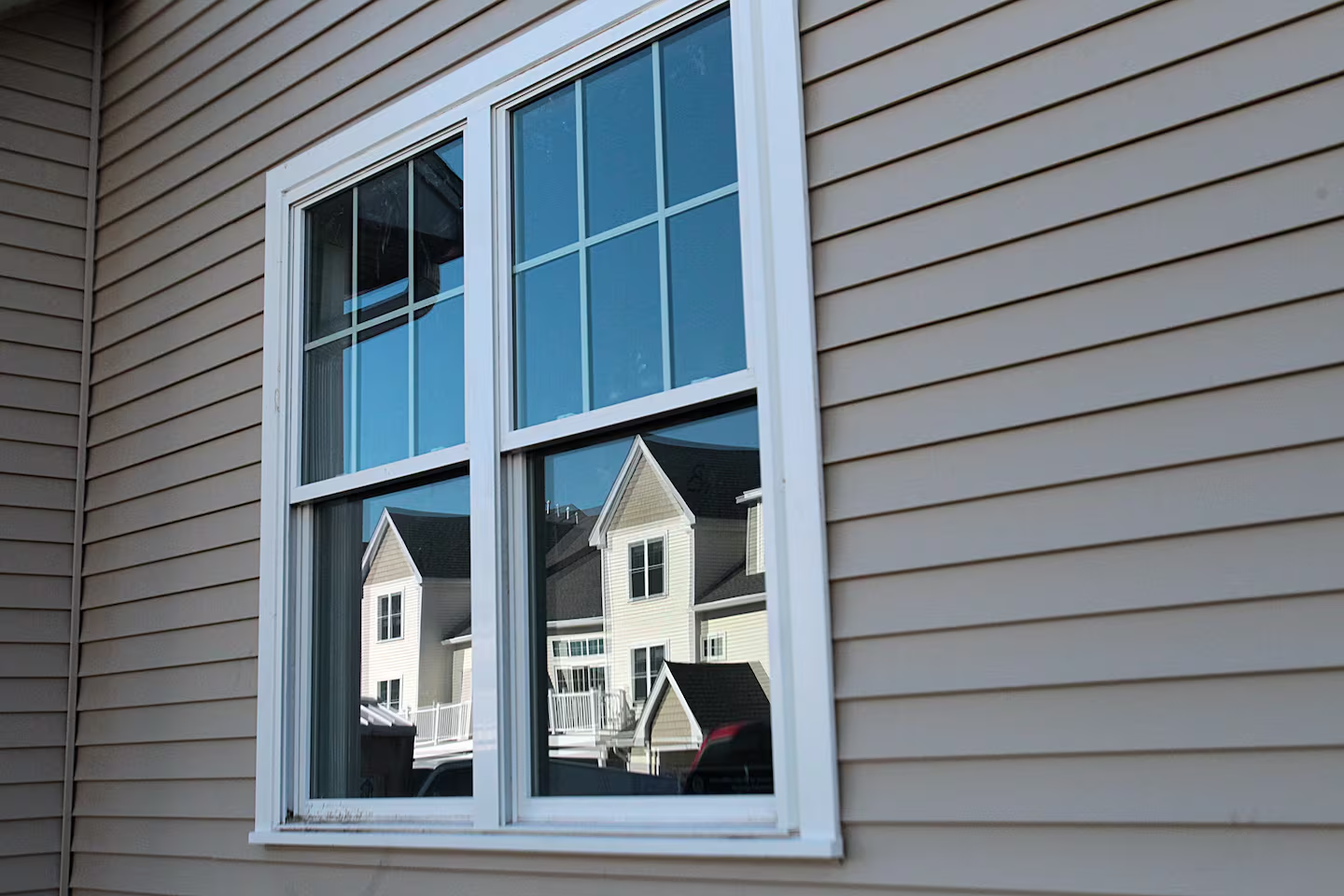
A view of the condo development in Danvers, Mass.Suzanne Kreiter/Globe Staff
Local housing debates often focus on traffic, school enrollment, or neighborhood change. But one of the most important facts about new housing is frequently overlooked: When communities allow more homes to be built, they strengthen municipal finances and help spread the cost of public services across more taxpayers.
At a time when cities and towns across Rhode Island face rising costs for infrastructure, public safety, schools, and road maintenance, housing development is not a fiscal burden to fear. In many cases, it is one of the best tools municipalities have to stabilize property taxes and improve long-term financial health.
The math is straightforward. Municipal budgets are funded largely through property taxes. When a town adds new homes — whether apartments, townhouses, duplexes, or single-family houses — it expands its tax base. More properties mean more taxpayers contributing to shared services. That additional revenue helps municipalities cover fixed costs that already exist.
HousingWorks RI has crunched the numbers on tax rolls in Rhode Island and found that towns across all regions of the state collect more in property tax revenue per acre from home types like three-family and four-family homes than other home types, including single-family homes.
According to the 2025 Housing Fact Book, the stock of small apartment buildings — some of the most significant revenue generators per acre for municipal tax bases — has declined. Our analysis finds that we need to allow more types of homes, and more new homes in existing communities, to raise the tax base to a sustainable level and prevent further property tax hikes. Allowing more housing types, like duplexes and small three-story apartments, would not only create more options at different price points for residents, but also bolster economic stability and resilience for municipal budgets overall.
Just last month, East Providence reported that due to the city’s growth in tax base they will see a reduction in 2026 tax rates. Ongoing residential and commercial development, along with investments in infrastructure has encouraged economic growth that has strengthened the city’s financial foundation and lessened the burden on existing taxpayers. East Providence has been a leader in implementing new state housing laws to encourage housing development that meets the needs of local residents.
Evidence shows that a diversity of housing options supports the needs of residents through their lifespans and stabilizes local finances. Municipalities with a mix of single-family homes, smaller starter homes, duplexes, and more, create space for thriving communities where young people can start families, grandparents can downsize and stay close by, and small businesses like family restaurants can attract local service workers. However, these kinds of modest homes on smaller lot sizes are banned in many towns and cities. The irony is, these bans are actually driving up current homeowners’ housing costs.
The Legislature has worked over the last few years to address affordability and availability of housing across the state, and we are finally seeing momentum build in the construction of new homes, but we still have work to do to allow the types of homes community members need. This session, legislators are considering proposals that would streamline procedures and allow more types of homes like affordable housing on land owned by faith institutions, starter homes on smaller properties, conversions of underutilized property, and other options that help meet the needs of our neighbors and families.
Already, most Rhode Islanders understand the importance of this issue: seven out of 10 voters support creating more homes in their neighborhoods, even if that means their neighborhoods may experience some change. Housing costs and availability are top concerns for residents across ages and income brackets. Gradually adding more homes of all types across the state means a more affordable future for longtime homeowners, as well as first-time homebuyers or renters.
While state and local leaders are in the tough process of balancing budgets, it is critical to consider how creating more housing is a path to maintaining the vibrancy of local communities, generating beneficial economic growth that can stabilize costs and build resiliency.
Brenda Clement is the executive director of HousingWorks RI at Roger Williams University, a research and policy organization focused on housing affordability. Kris Brown is the executive director of Neighbors Welcome! Rhode Island, a statewide grassroots group of neighbors advocating for more home options in their communities.
