
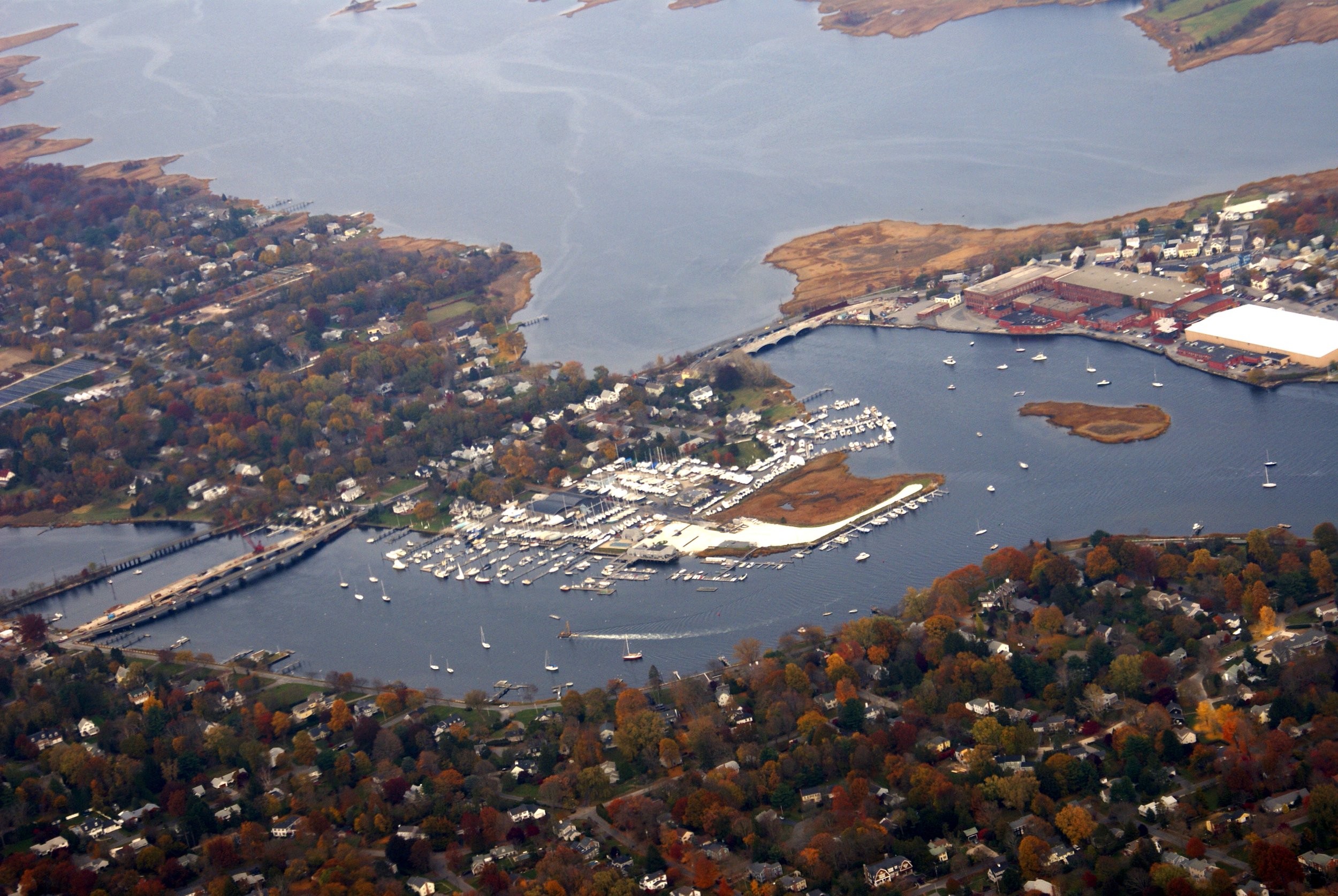
Commentary: When your hometown becomes somewhere your children can't afford
There is a strange measure of success that many desirable communities eventually confront.
People want to live there.
Home values rise. Neighborhoods become more sought after. A house bought decades ago becomes worth far more than its owner ever imagined. And eventually, the children who grew up there discover they can't afford to come home.
That tension is increasingly familiar in Rhode Island's East Bay, where communities such as Bristol, Portsmouth, Warren and Barrington have become extraordinarily desirable places to live. For longtime homeowners, rising values can represent financial security built over a lifetime. For the next generation, those same values can look like a locked door.
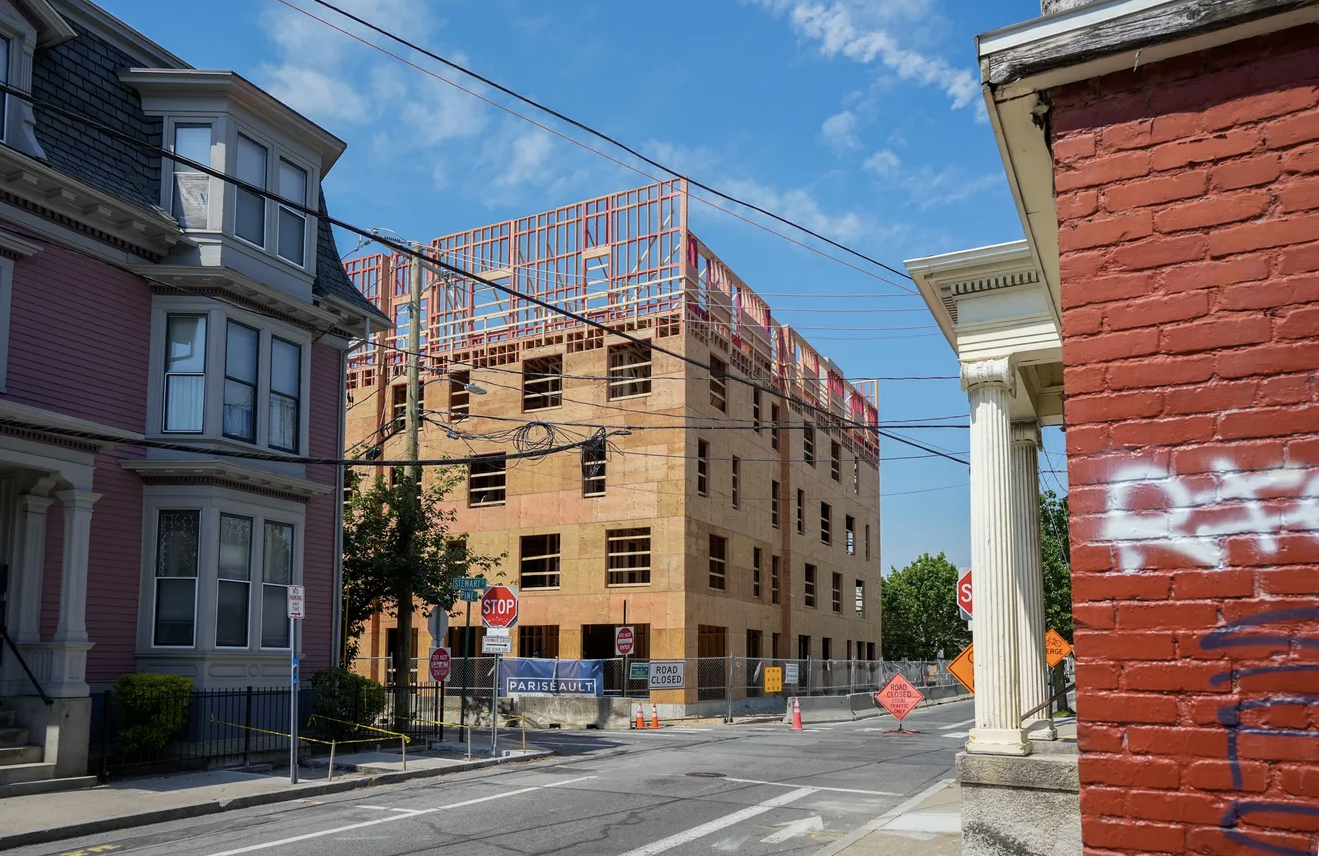
RI needs a better housing production system | Opinion | Providence Journal
Crossroads RI's affordable housing complex for the medically vulnerable at 371 Pine St. in Providence has gone up quickly. It will have 35 units that are fully accessible for people with disabilities, a first for Rhode Island.
David DelPoio/The Providence Journal
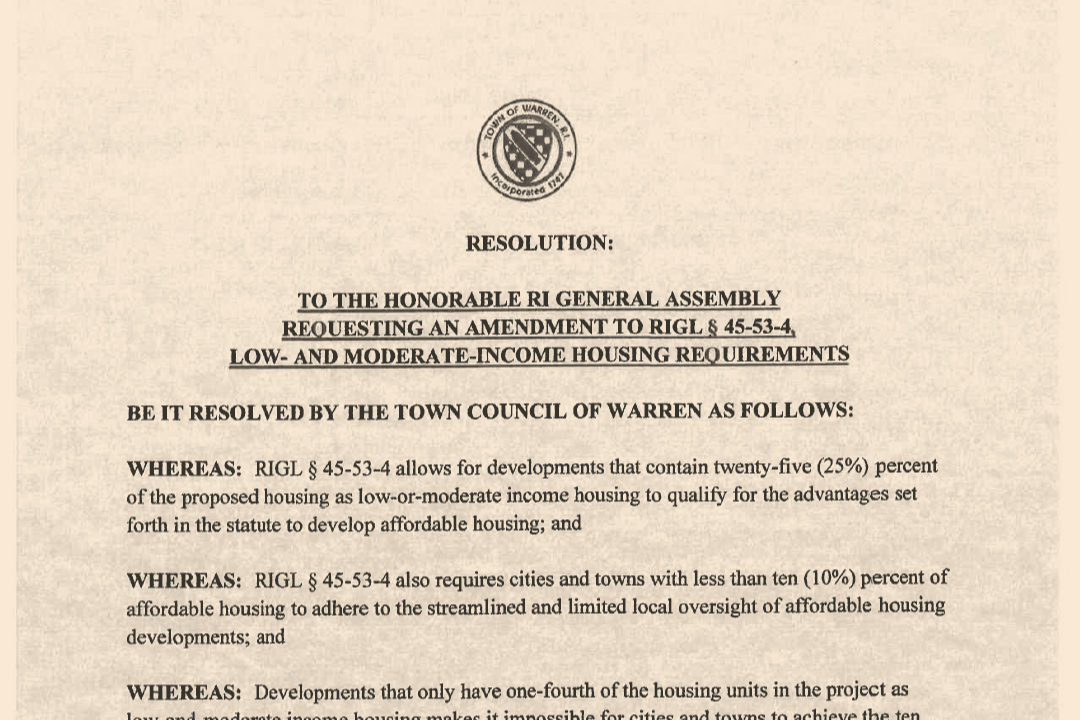
Councilors in Warren spar over affordable housing resolutionRequest to amend state legislation sparks heated debate at times | East Bay RI
Resolutions submitted at council meetings typically do not lead into any sort of lengthy, in-depth discussion, but one proposed in Warren at the body's September session on the combustable issue of affordable housing prompted an at times contentious, nearly 45-minute back-and-forth between members.
The council eventually moved the item on a 3-2 tally. Council President Joseph DePasquale along with colleagues John Hanley and Louis Rego were in support of the resolution. Council Vice President Keri Cronin and Derrik Trombley were not.

Opinion: Market-rate housing and affordable housing are not opposites | The New Bedford Light
A wider variety of housing strengthens a community by allowing residents to remain through different stages of life while attracting new households.
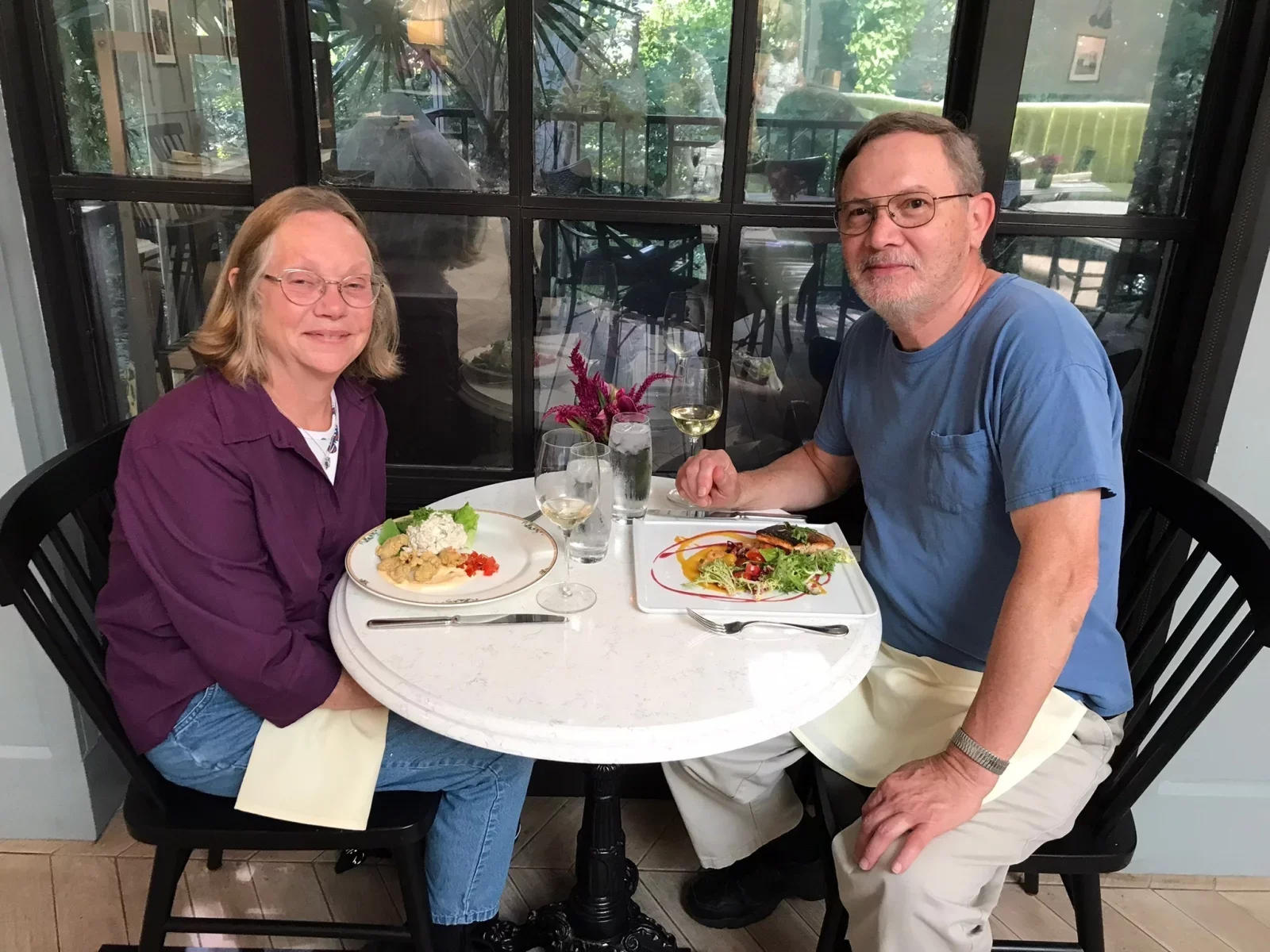
Amid cost of living stress, many parents are supporting children well into adulthood | NPR
Mabel Lago and her husband, Tom, on their 50th wedding anniversary. They built their 1,500-square foot retirement home in South Carolina a bit larger than they might have, to include a bedroom for their 39-year-old son.

With Shekarchi gone, what did lawmakers do on housing in 2026? | Providence Journal
Del's Lemonade and the voting buttons on a desk in the General Assembly on the last day of the session on June 11, 2026.
David DelPoio/The Providence Journal
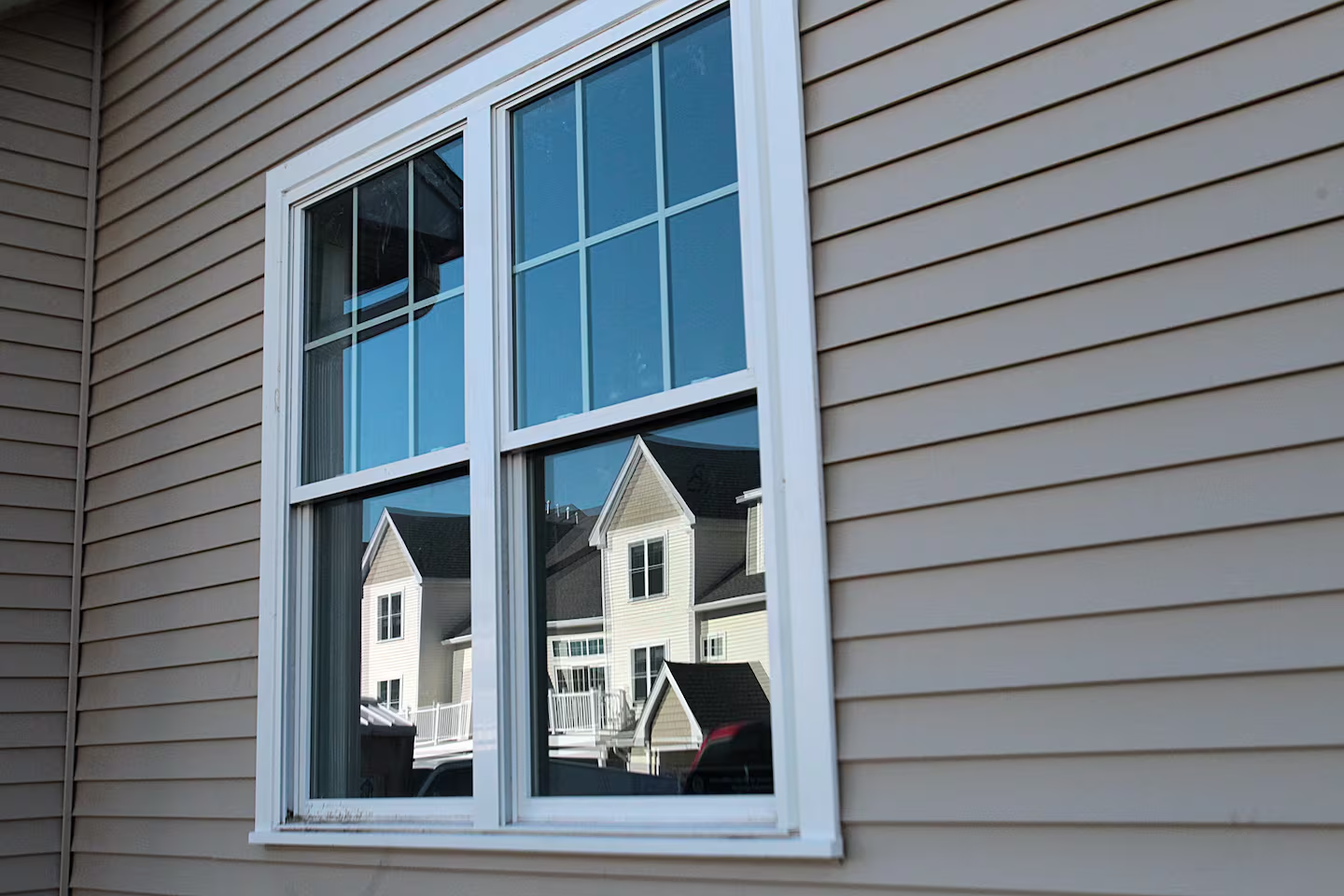
Allowing more housing options is an overlooked tool for the financial health of R.I. communities | Boston Globe, RI
Evidence shows that a diversity of housing options supports the needs of residents through their lifespans and stabilizes local finances, write the leaders of two R.I. housing advocacy groups.
Image credit: A view of the condo development in Danvers, Mass. Suzanne Kreiter/Globe Staff
Fourteen Rhode Island municipalities are planning to sue the state over laws designed to make it easier to build housing | SteveAhlquist.news
“...almost half of the towns in our state, the councils... have voted to enter Superior Court to obtain a temporary injunction on the housing laws passed in the recent Assembly sessions.”

Poll: Housing costs and availability top concerns for voter
Rhode Islanders overwhelmingly support development of more housing, a fact often lost amid the noise of a small number of vocal opponents opposed to individual projects, say advocates.
That’s a key takeaway from a new statewide poll by YouGov on behalf of nonprofit Neighbors Welcome! Rhode Island, which shows that 88 percent of state voters agree that the General Assembly should take action to address the costs and availability of homes.
Claudia Wack, board president of the organization, told The Local Insider she believes the reason there is so much support for more housing for a number of reasons, including that the situation has grown so dire, that in addition to those directly affected by today’s prices, many are seeing family members also struggle.
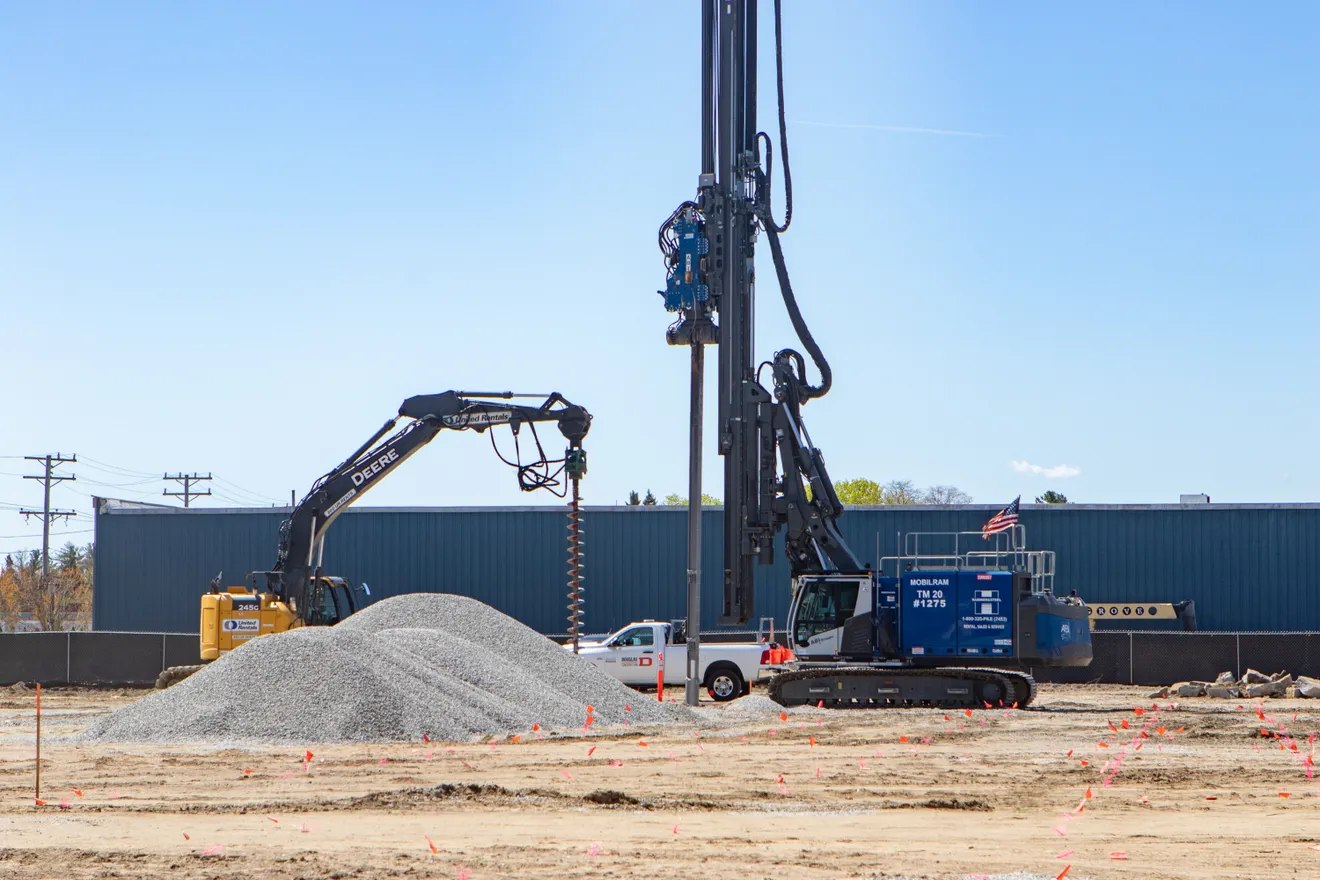
Massive 297-unit apartment complex aimed at 'millennials' breaks ground in Warwick | Providence Journal
Read more in the Providence Journal

Nesi’s Notes: April 18th
The new numbers arrived as supporters of the pro-housing YIMBY group Neighbors Welcome descended on the State House for their annual lobby day, armed with a fresh poll they commissioned showing widespread concern about housing costs and strong support for legislative action.
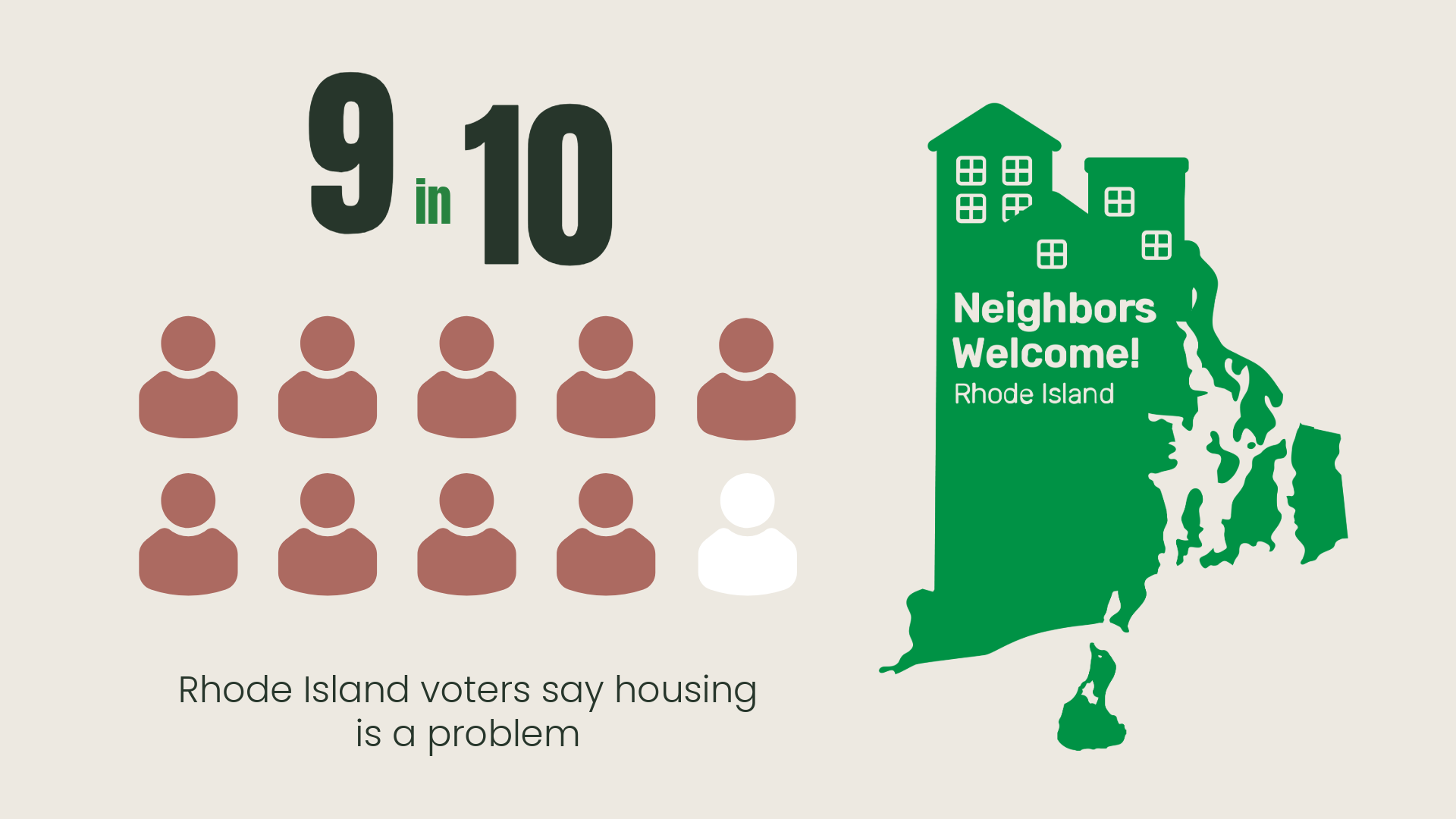
Press Release: New Polling: Housing Cost and Availability is a Top Concern for Voters
New Polling: Housing Cost and Availability is a Top Concern for Voters
Rhode Island voters support state legislative action to address the state’s housing shortage

East Providence mayor talks taxes, housing, and the Washington Bridge closure | Ocean State Media
Mayor Roberto DaSilva points to school investments, new housing projects, and a post-bridge recovery as key to easing costs and reshaping the city’s future. | Ian Donnis.
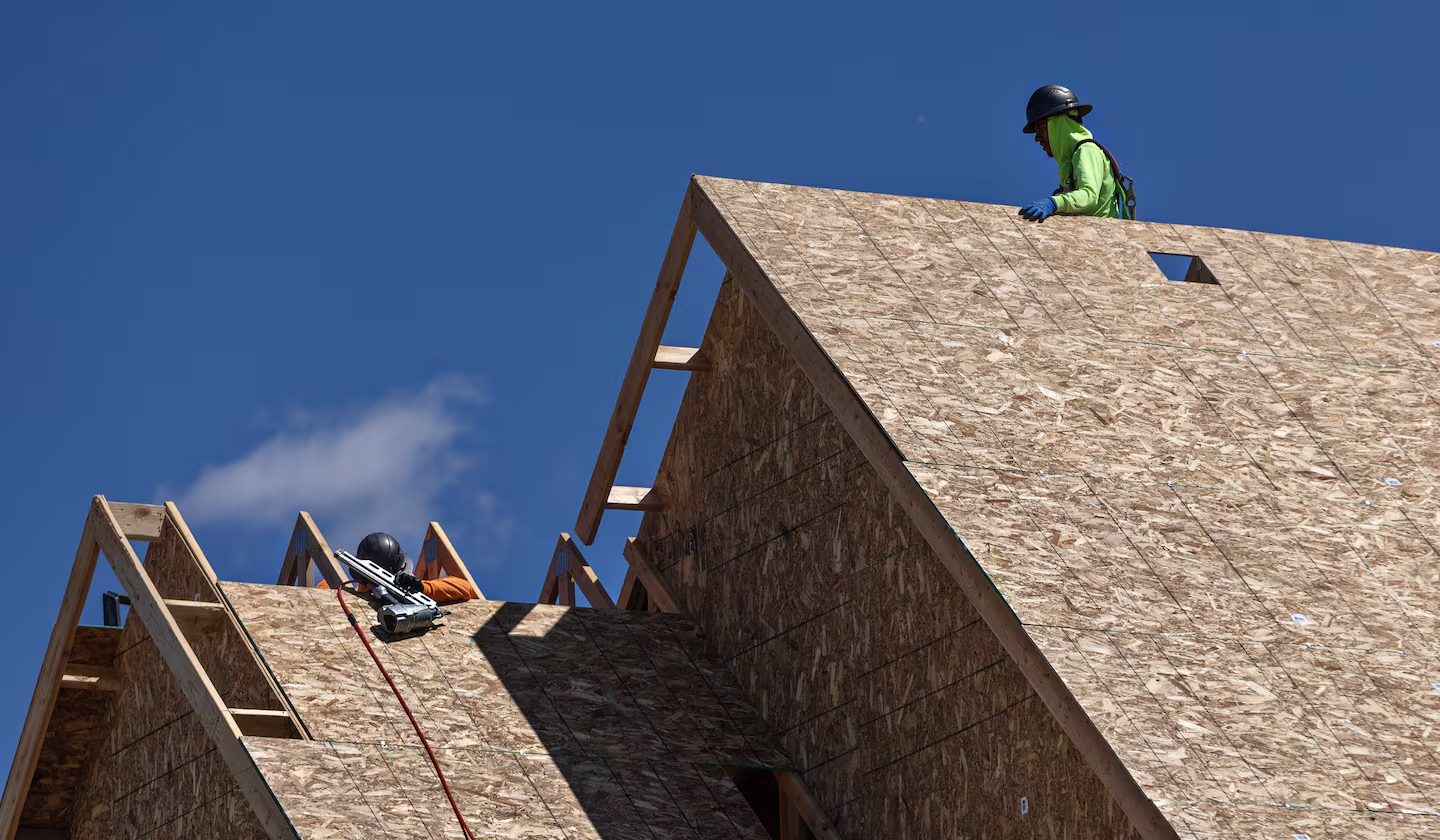
Rhode Island made it easier to build new homes. It’s working. | Boston Globe
Image Credit: Construction workers build new homes in Draper, Utah, in June 2024. KIM RAFF/NYT

Neighborhood Creation by Immaculate Conception or Careful Curation? Conversation with Seth Zeren
In this episode, recovering city planner turned developer Seth Zeren explains how our obsession with safety and control has locked down the very process that once created vibrant, livable neighborhoods. He shares his ideas for bringing back a building culture of flexibility, experimentation, and creativity.

Rhode Island passes housing measures, makes it easier to build townhouses | Real Estate News and Insights
“Legalizing townhomes in communities across Rhode Island will put more homeownership opportunities within reach of teachers, young adults just starting their families, and older neighbors who are looking to downsize,” Greg Miller, treasurer of advocacy group Neighbors Welcome Rhode Island, and Monica Teixeira de Sousa, housing policy clinic director at Roger Williams University School of Law, said in an opinion piece in Rhode Island Currents.

5 new laws that will make it easier to build the homes Rhode Island needs
Anyone who has tried to buy or rent a home lately in Rhode Island has seen firsthand the impacts of the state’s housing shortage, including bidding wars to access homeownership or significant yearly rent increases for tenants. The median sales price of a single-family home in Rhode Island rose to $520,000 as of June, 2025, according to the Rhode Island Association of Realtors, and rental costs in the Providence metro area climbed at one of the fastest rates in the nation, reflected in a median asking rent of $2,145.
A root problem is that Rhode Island is building fewer homes per capita than any other state in the nation. We need 24,000 homes just to meet today’s needs. With an average household size of 2.4, and a lower median household income than our neighboring states, new housing production must include smaller and more affordable options.

Common-sense housing solutions Rhode Island must embrace
Rhode Islanders searching for a home in today’s housing market experience a cruel game of musical chairs. With too few homes available to rent or buy, wealthier families who can win a bidding war or pay rising rental prices get better access to limited opportunities. Those with less resources at their disposal are left to make do, move further away from their job or community, or even leave the state entirely.

One way to address R.I.’s housing shortage is by offering more home choices
Building more new homes can reduce displacement, lower prices, and improve everyone’s housing quality, according to Neighbors Welcome! Rhode Island – In the Boston Globe
By Jennifer Hawkins and Seth ZerenUpdated April 9, 2025

Do Rhode Islanders support bills to make it easier to build housing? What a new poll shows I Providence Journal
"One idea that was particularly popular with voters was the idea of allowing more homes to be built in commercial districts near existing businesses, utilities and public transit access," Claudia Wack, president of Neighbors Welcome, said at the news conference. "So think about main street districts or mixed-use zones, which we have a lot of historical examples of in our cities and our village centers."